Author: misseklewis
IWA Young Professionals Birmingham March 2026
Water Industry TV launch
British Water International Forum London February 2026
Tom Williams Middle East & Asia Session Chair
Sheffield University Global Engineering Challenge January 2026
Tom Williams – Mentor
IWA Road to Glasgow One Year To Go Event October 2025
Tom Williams Keynote Speaker
The Infrastructure Podcast British Water Non-Exec Director July 2024
***add link to recording***
Spanish Embassy Commercial Office UK Water Infrastructure Investment Event July 2024
Tom Williams Keynote Speaker
Cranfield Water Conference June 2025
Tom Williams hosts IWA pitch.
Cranfield Wastewater Conference November 2024
Tom Williams hosts IWA pitch
WWEM NEC, Birmingham October 2024
Tom Williams Keynote Speaker
European Water Tech Week Leuwarden, Netherlands September 2024
Tom Williams Keynote Speaker
Institute of Water Annual Conference Lincoln September 2024
Tom Williams IWA Speaker
IWA Young Professionals Conference Manchester July 2024
Tom Williams – Meet the Leader
Northumbrian Water Innovation Festival July 2024
Tom Williams Keynote Sprint Speaker
IBBC Meeting London April 2024
Tom Williams Keynote Speaker
British Water Oman Knowledge Transfer February 2024
Tom Williams Keynote Speaker
British Water International Reception February 2024
Tom Williams – Keynote Speaker
UK Water Sector Mission to South Africa December 2023
Tom Williams – British Water Lead
Institute of Water Annual Conference Cardiff September 2023
Tom Williams Keynote Speaker
Cranfield Water Network June 2023
Tom Williams hosting IWA pitch session
UK Junior Water Prize May 2023
Tom Williams Judge
SWAN Glasgow May 2023
Tom Williams Workshop Organiser
Rivers Trust Conference April 2023
Tom Williams Keynote Speaker
WEX Seville March 2023
Tom Williams Keynote Speaker Desalination
Future Water & Canadian High Commission Innovation Awards March 2023
Tom Williams Speaker
SWIG PR 24 & CSO Water Quality Monitoring January 2023
Tom Williams Keynote Speaker on CSO water quality monitoring.
British Water International Reception London February 2023
Tom Williams Keynote Speaker.
SWWC Saudi Innovation Riyadh January 2023
Tom Williams Keynote Speaker.
Cranfield Wastewater Conference November 2022
Tom Williams hosts IWA pitch sessions.
Ecomondo Rimini, Italy November 2022
Tom Williams Keynote on microbial activity sensing with Grupo Cap Milan.
WWEM October 2022
Tom Williams Keynote
Cranfield Water Network October 2022
Tom Williams hosts IWA pitch sessions.
COP 27 Water Climate Discussion October 2022
Tom Williams Keynote
British Water Digital Conference November 2022
Tom Williams – Keynote Speaker
AYSA & British Water Liaison Event October 2022
Tom Williams Keynote Speaker on liaison event with Agua y Saneamientos Argentinos.
SWCC Saudi & British Water Event October 2022 London ICE
Tom Williams – Keynote speaker
IWA Digital World Water Congress May 2021
Enebio and Water Industry TV host global film competition and award ceremony.
WEX Valencia June 2022
Tom Williams – Speaker on microbial activity sensing.
Ozwater Brisbane May 2022
Tom Williams – Speaker on microbial activity sensing.
IWA Leading Edge Technology Reno March 2022
Tom Williams – Speaker on advanced membrane technologies.
Clean Tech Swiss-Canadian Collaboration March 2022
Tom Williams – speaker on microbial activity sensing.
Rivers Trust Annual Conference March 2022
Tom Williams – keynote speaker on real-time river water monitoring technologies.
5th World Water Summit August 2021
Tom Williams keynote speaker & chair on Water for All water conservation and emerging issues.
Northumbrian Water Festival November 2021
Summary of the Event
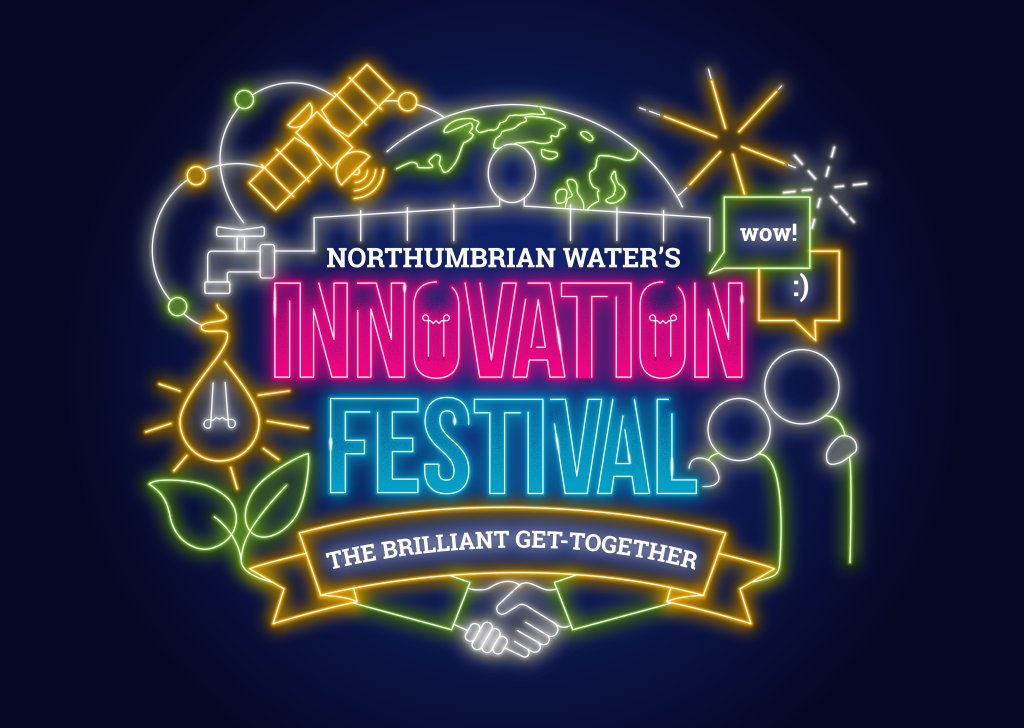
I participated in the 2021 Northumbrian Water Innovation Festival, a large‑scale collaborative event bringing together nearly 4,000 participants from over 40 countries to tackle major challenges facing the water sector. The festival uses design sprints, hacks and rapid‑ideation workshops to generate practical solutions to environmental, operational and societal issues.
The 2021 theme, “The Brilliant Get‑Together,” focused on reconnecting people after the disruption of Covid‑19 and accelerating innovation across utilities, technology providers, academia, government and community organisations. Sessions were fast‑paced, creative and highly collaborative, with contributions from global experts and special guests.
Key Themes Covered
- Asset management and resilience
Including tools to predict asset tipping points and optimise investment decisions. - Smart metering and digital transformation
Exploring sustainable meter design, new sensor technologies and enhanced customer engagement. - Customer behaviour and water efficiency
Approaches to shift public attitudes toward water use and promote long‑term behavioural change. - Flooding prediction and prevention
Development of data‑driven models and risk calculators to reduce sewer flooding. - Leakage reduction
Proactive, predictive approaches combining customer education, data analytics and targeted interventions. - Cross‑sector collaboration
Participants from utilities, tech, design, manufacturing, government and NGOs worked together to generate solutions.
IWA Resource Recovery Conference September 2021
Summary of the Event
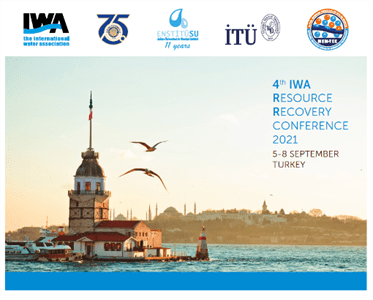
I participated in the IWA Resource Recovery Conference 2021, a specialist global event focused on advancing the circular economy within the water sector. The conference brought together researchers, utilities, technology providers, regulators and industry partners to explore how wastewater and sludge can be transformed into valuable resources.
The 2021 programme covered scientific advances, full‑scale case studies, policy developments and emerging technologies for recovering energy, nutrients, materials and water from wastewater streams. The virtual format enabled broad international participation and facilitated knowledge exchange across continents.
Key Themes Covered
- Circular economy in the water sector
Strategies for shifting from linear treatment models to resource‑centric approaches. - Nutrient recovery (phosphorus, nitrogen, ammonia)
Technologies such as struvite crystallisation, ammonia stripping, biological nutrient recovery and market development for recovered products. - Energy recovery and carbon reduction
Advances in anaerobic digestion, biogas upgrading, energy‑positive wastewater treatment and carbon‑neutral utility strategies. - Water reuse and advanced treatment
High‑quality reclaimed water for industrial, agricultural and potable applications. - Emerging technologies
Bio‑electrochemical systems, membrane innovations, thermal hydrolysis, and novel biological processes. - Policy, regulation and market development
How regulatory frameworks and economic incentives can accelerate resource recovery adoption. - Case studies from utilities worldwide
Demonstrations of full‑scale implementation, operational lessons and performance outcomes.
Stockholm International Water Week August 2021
Summary of the Event
I participated in the fully digital edition of Stockholm World Water Week 2021, held from 23–27 August. The event brought together over 13,000 participants from 188 countries, with more than 400 sessions co‑created by leading global organisations.
The 2021 theme, “Building Resilience Faster,” focused on how the global water community can accelerate action to address climate change, water scarcity, poverty, biodiversity loss and other interconnected challenges.
Sessions covered scientific, technical, policy and community‑level perspectives, with contributions from researchers, utilities, NGOs, governments, development agencies and private‑sector innovators.
Key Themes Covered
- Climate resilience and adaptation
The conference emphasised that climate‑induced disasters are increasing and that water is central to effective climate action. - Water governance and global policy
Discussions linked water to major UN processes, including food systems, energy transitions and COP26. - Nature‑based solutions
Highlighted as essential for resilience, including wetlands, forests and ecosystem restoration. - Digital transformation and innovation
Sessions explored data, modelling, remote sensing and digital tools for water management. - Equity, inclusion and community resilience
Covid‑19’s impact on water, sanitation and hygiene (WASH), gender equality and vulnerable communities was a major focus. - Scientific seminars
Nine core seminars explored resilience, food security, biodiversity, and transboundary water cooperation.
Queensland Trade Mission August 2021
Summary of the Event
I participated in the Queensland Virtual Trade Mission in August 2021, part of the “Spotlight on Queensland” series designed to introduce UK organisations to commercial, infrastructure and innovation opportunities in the Australian state of Queensland. The mission highlighted Queensland’s rapid economic growth, major infrastructure investment programmes and emerging opportunities across key sectors.
The water‑focused session (19 August) explored Queensland’s priorities in water management, infrastructure development, climate resilience and technology adoption. The mission also provided insight into the state’s long‑term growth trajectory, supported by significant government investment and the announcement of Queensland as host of the 2032 Olympic and Paralympic Games.
The event connected UK participants with Queensland government representatives, industry leaders and potential partners, offering a platform for future collaboration.
Key Themes Covered
- Queensland’s economic and infrastructure growth
Driven by major government investment programmes supporting private‑sector development. - Water sector opportunities
Including digital water technologies, treatment innovation, resilience planning and utility partnerships. - Climate resilience and sustainability
Queensland’s focus on adapting to extreme weather, drought and environmental pressures. - International collaboration and export opportunities
How UK organisations can engage with Queensland’s expanding markets. - Future major projects
Including infrastructure linked to the 2032 Olympic Games, creating long‑term demand for water, energy and environmental solutions.
Singapore International Water Week November 2020
Summary of the Event
I participated in the first-ever virtual edition of Singapore International Water Week (SIWW Online), held on 18–19 November 2020. The event was created in response to Covid‑19 and aimed to bring the global water community together through a digital platform. It featured 10 webinars, over 70 international speakers, a virtual expo with around 100 exhibitors, and dedicated networking tools to connect participants from across the world.
The programme focused on digital transformation, climate resilience, advanced treatment technologies, and future trends in water reuse and resource management. More than 3,000 participants from 90 countries attended the event, demonstrating its global reach and relevance.
Key Themes Covered
- Digital transformation of water utilities
Including smart systems, automation, and data-driven decision-making. - Water reuse and future applications
Global trends in potable and non-potable reuse, advanced treatment technologies, and regulatory developments. - Ceramic membrane technology
A dedicated session explored the role of ceramic membranes as the future of water treatment. - Climate resilience and adaptation
Strategies for building water resilience in the face of climate change, including mitigation and adaptation approaches. - Urban coastal resilience and circular resource management
Building on earlier SIWW webinars from July 2020, which informed the November programme. - Innovation and global collaboration
The virtual expo showcased cutting-edge solutions for sustainable water and urban environments.

WEFTEC October 2020
Summary of the Event
I participated in WEFTEC 2020, which was delivered entirely online as WEFTEC Connect due to the Covid‑19 pandemic. WEFTEC is one of the world’s largest and most influential water‑sector conferences, bringing together wastewater professionals, technology providers, researchers, utilities and regulators.
The 2020 virtual programme included technical sessions, workshops, keynote presentations, exhibitor demonstrations and networking events. The content focused on operational resilience, digital transformation, innovation in wastewater treatment, and the sector’s response to Covid‑19.
Despite the virtual format, the event maintained its strong technical depth and global reach, offering a wide range of sessions across wastewater treatment, biosolids, stormwater, water quality, and utility management.
Key Themes Covered
- Covid‑19 impacts on wastewater operations
Workforce resilience, safety, continuity planning and lessons learned from the pandemic. - Wastewater‑based epidemiology (WBE)
Emerging research on using wastewater monitoring to track SARS‑CoV‑2 trends. - Innovation in wastewater treatment
Advances in biological processes, nutrient removal, energy efficiency and resource recovery. - Digital transformation and smart utilities
Use of sensors, automation, digital twins and data analytics to improve performance. - Climate resilience and sustainability
Strategies for adapting infrastructure to extreme weather, flooding and long‑term environmental pressures. - Biosolids management
New technologies, regulatory updates and best practice in treatment and land application. - Utility leadership and workforce development
Skills, culture and organisational resilience in a rapidly changing sector.

Stockholm Water Week August 2020
Summary of the Event
I participated in Stockholm World Water Week 2020, which was delivered entirely online due to the Covid‑19 pandemic. The event brought together global experts, policymakers, utilities, NGOs, researchers and innovators to discuss the world’s most pressing water challenges.
The 2020 theme focused on “Water and Climate Change: Accelerating Action”, exploring how the water sector must adapt to increasing climate pressures, support resilience, and contribute to sustainable development. The virtual format enabled wide international participation and provided access to a broad range of seminars, panel discussions, workshops and networking sessions.
Key Themes Covered
- Climate resilience and adaptation
How water systems can prepare for extreme weather, drought, flooding and long‑term climate impacts. - Sustainable development and global policy
Links between water security, SDG6, public health, poverty reduction and climate mitigation. - Innovation and digital transformation
Use of data, sensors, modelling and digital tools to improve water management and resilience. - Nature‑based solutions
Wetlands, green infrastructure and ecosystem restoration as tools for climate adaptation. - Water governance and equity
Ensuring fair access to water services, especially in vulnerable and low‑income communities. - Covid‑19 impacts on water systems
The pandemic’s influence on water demand, sanitation, hygiene and global resilience planning.
Covid-19 Lockdown British Water Real Time Monitoring Chair
Summary of the Activity
During the Covid‑19 lockdown in 2020, I served as Chair of the British Water Real-Time Monitoring (RTM) Group. This period required rapid adaptation to remote working, virtual collaboration and new operational challenges across the UK water sector.
The RTM Group became an important forum for utilities, technology providers and regulators to share intelligence on how the pandemic was affecting wastewater operations, sampling, compliance monitoring and workforce resilience. As Chair, I coordinated virtual meetings, set agendas, facilitated technical discussions and ensured continuity of knowledge exchange at a time when site access, monitoring routines and regulatory expectations were disrupted.
The group also explored how real-time monitoring technologies could support utilities during the crisis—particularly in relation to remote diagnostics, reduced site visits, early warning systems and maintaining compliance under constrained conditions.
Key Themes & Sector Issues Discussed
- Operational continuity during lockdown
Managing reduced staffing, restricted site access and changes to sampling regimes. - Remote monitoring and digital tools
Increased reliance on sensors, telemetry, online analysers and remote diagnostics. - Regulatory flexibility and communication
Understanding how the Environment Agency and other regulators were adapting expectations during the pandemic. - Data quality and reliability
Ensuring robust monitoring despite operational constraints. - Knowledge sharing across utilities
Identifying common challenges and sharing solutions in real time. - Future resilience
Considering how lessons from the pandemic could strengthen long-term monitoring strategies.
World Water Tech London February 2020
Summary of the Event
I attended the World Water-Tech Innovation Summit in London in February 2020. This annual event brings together global leaders from utilities, technology providers, investors, regulators and innovators to explore the future of water management. The summit focuses on accelerating the adoption of advanced technologies and fostering collaboration across the international water sector.
The 2020 programme centred on digital transformation, climate resilience, infrastructure investment and the role of innovation in addressing global water challenges. The event included keynote presentations, panel discussions, case studies, technology showcases and networking sessions with senior industry stakeholders.
Key Themes Covered
- Digital Transformation in Water Utilities
Including AI, machine learning, digital twins, predictive analytics and smart networks. - Climate Resilience and Adaptation
Strategies for managing extreme weather, drought, flooding and long-term environmental pressures. - Investment and Financing Models
How utilities and innovators can work with investors to scale new technologies. - Emerging Treatment Technologies
Novel approaches to wastewater treatment, decentralised systems, energy efficiency and resource recovery. - Utility–Start-up Collaboration
Case studies demonstrating successful partnerships and barriers to innovation adoption. - Cybersecurity and Risk Management
Protecting digital infrastructure as utilities become increasingly data-driven.
IWA Nomination for UK Vice-Chair position February 2020
Summary of the Activity
In February 2020, I was nominated for the position of UK Vice‑Chair within the International Water Association (IWA). This nomination reflected my ongoing involvement in the water sector and my contributions to professional networks, knowledge sharing and industry development.
The nomination process required me to reflect on my professional experience, leadership capabilities, sector contributions and future ambitions for supporting the IWA’s mission. This included preparing a personal statement, outlining my experience in wastewater, biosolids, innovation and sector collaboration, and demonstrating my commitment to advancing best practice within the global water community.
Although the nomination itself is not a training event, it represents a significant professional milestone and an opportunity to engage at a strategic level with an international organisation.
Key Themes & Professional Relevance
- Leadership in the water sector
Understanding the expectations and responsibilities of a national leadership role within an international professional body. - Strategic thinking and sector influence
Reflecting on how professional expertise can contribute to shaping industry direction, knowledge exchange and innovation. - Professional visibility and recognition
Demonstrating credibility, experience and commitment to the wider water community. - International collaboration
Appreciating the role of IWA in connecting global water professionals and advancing sustainable water management.
British Water House of Lords Reception February 2020
Summary of the Event
I attended the British Water House of Lords Reception in February 2020, an annual high‑profile gathering designed to bring together leaders from across the UK water sector, including water companies, supply‑chain organisations, policymakers and industry partners.
The reception provided an opportunity to hear strategic insights on the future of the UK water industry, including challenges around climate resilience, infrastructure investment, environmental protection and supply‑chain capability. Senior speakers typically address the audience on sector priorities, regulatory expectations and the importance of collaboration across the industry.
The event also serves as a platform to raise the profile of the UK water sector within Parliament, highlighting innovation, sustainability and the role of the supply chain in supporting national water infrastructure.
Networking formed a major part of the reception, enabling meaningful engagement with industry peers, technology providers and decision‑makers.
Key Themes & Discussion Points
- Climate resilience and adaptation
Emphasis on strengthening supply‑chain resilience in response to climate‑related risks and extreme weather impacts. - Environmental protection and pollution reduction
Discussion on the need to reduce sewage discharges, tackle microplastics and improve ecosystem health. - Infrastructure investment and long‑term planning
Recognition that ageing assets and population pressures require accelerated investment and innovation. - Collaboration across the water sector
The event highlighted the importance of cooperation between utilities, regulators, suppliers and policymakers to address shared challenges. - Raising the profile of the UK water industry
The reception is designed to showcase the sector’s strengths and promote its contribution to national environmental and economic goals.
Cranfield Waste Water Conference November 2019
November 2019
Summary of the Event
I attended the 2019 Cranfield Wastewater Conference, part of the annual UK Wastewater Network series hosted by Cranfield University. The event brought together researchers, water companies, regulators, technology providers and industry specialists to discuss current and emerging challenges in wastewater treatment and environmental protection.
The conference focused on bridging academic research with real‑world operational needs, highlighting innovative technologies, regulatory pressures and future strategic priorities for the UK wastewater sector.
Key Themes Covered
- Innovation in wastewater treatment technologies
Including low‑energy treatment processes, advanced biological systems and novel monitoring tools. - Operational challenges for UK water utilities
Such as ageing infrastructure, population growth, climate pressures and tightening environmental standards. - Nutrient removal and resource recovery
Exploring phosphorus recovery, circular economy approaches and opportunities for valorising wastewater by‑products. - Digital and data‑driven wastewater management
Use of modelling, sensors and automation to improve process control and reduce operational risk. - Pilot‑scale research and demonstration
The event included access to Cranfield’s pilot hall facilities, showcasing full‑scale research rigs and emerging technologies. - Knowledge exchange and collaboration
Poster sessions and industry presentations encouraged discussion between academics, early‑career professionals and practitioners.
Learning Outcomes
- Improved understanding of emerging technologies that could support more sustainable and energy‑efficient wastewater treatment.
- Gained insight into future regulatory drivers, particularly around nutrient removal, carbon reduction and environmental compliance.
- Enhanced awareness of resource recovery opportunities, including phosphorus recycling and energy generation.
- Strengthened knowledge of digital tools for process optimisation and real‑time monitoring.
- Broadened professional network through engagement with researchers, technology suppliers and water company representatives.
European Biosolids & Organic Resources Conference
Manchester, November 2019
I attended the European Biosolids and Organic Resources Conference held at Emirates Old Trafford, Manchester. The event, organised by Aqua Enviro, brought together professionals from the wastewater, bioresource and biowaste management sectors for two days of technical learning, industry updates and knowledge exchange.
The programme covered a wide range of topics relevant to current and emerging practice in the sector. The conference opened with a keynote presentation by Alexander Madden (Agrivert) on “The future of bioresource management in the UK,” providing insight into strategic direction, regulatory pressures and innovation opportunities.
Across the two days, sessions explored operational efficiencies, best practice, new technologies and ongoing research. Key technical themes included:
- Advances in anaerobic digestion
- Pre‑treatment technologies
- Process modelling and control
- Thickening and dewatering
- Resource recovery and new product development
- Landbank security
- Ammonia management
- Markets for biomethane and CO₂
- Genetic information and its application in operational decision‑making
The second day featured an international perspective with Christian Kabbe (EasyMining Germany) presenting on “Nutrient recycling in Germany: current and future approaches,” highlighting European trends and regulatory drivers.
In addition to the 60 technical sessions, the event included a trade exhibition with around 30 industry stands, a site visit, a conference dinner and a Student and Young Professionals Poster Competition, offering further opportunities for networking and professional development.
Learning Outcomes / CPD Value:
- Gained updated knowledge on regulatory changes and future direction of UK bioresource management.
- Improved understanding of technological developments in anaerobic digestion, nutrient recovery and process optimisation.
- Enhanced awareness of market opportunities for biomethane and CO₂.
- Broadened perspective through exposure to international approaches to nutrient recycling.
- Strengthened professional network through engagement with industry experts, suppliers and researchers.

 enebio.com